Levels whispers
its proof
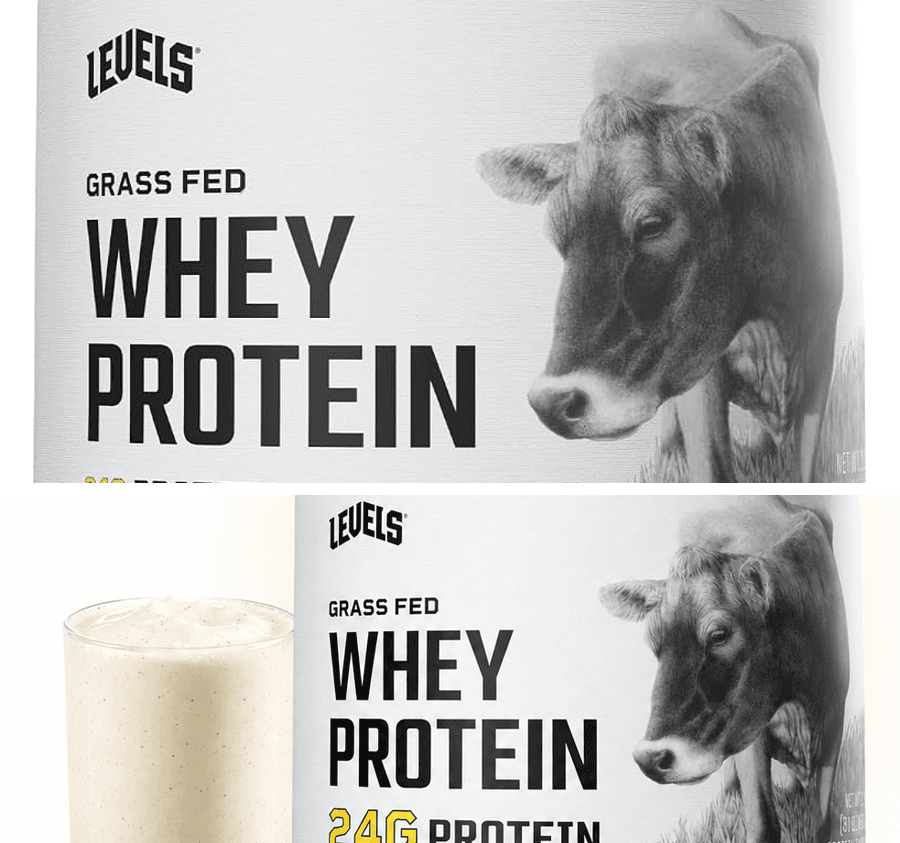
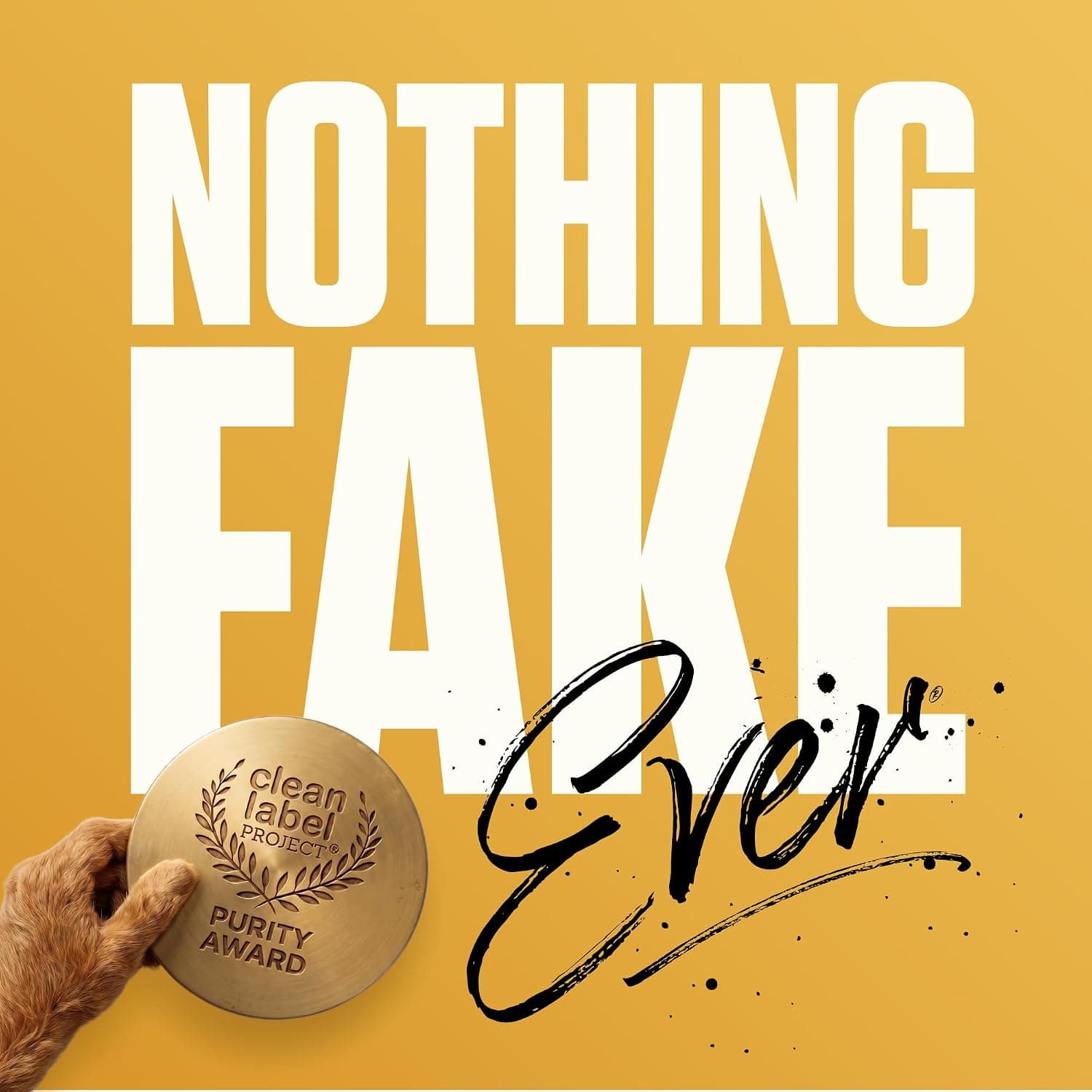
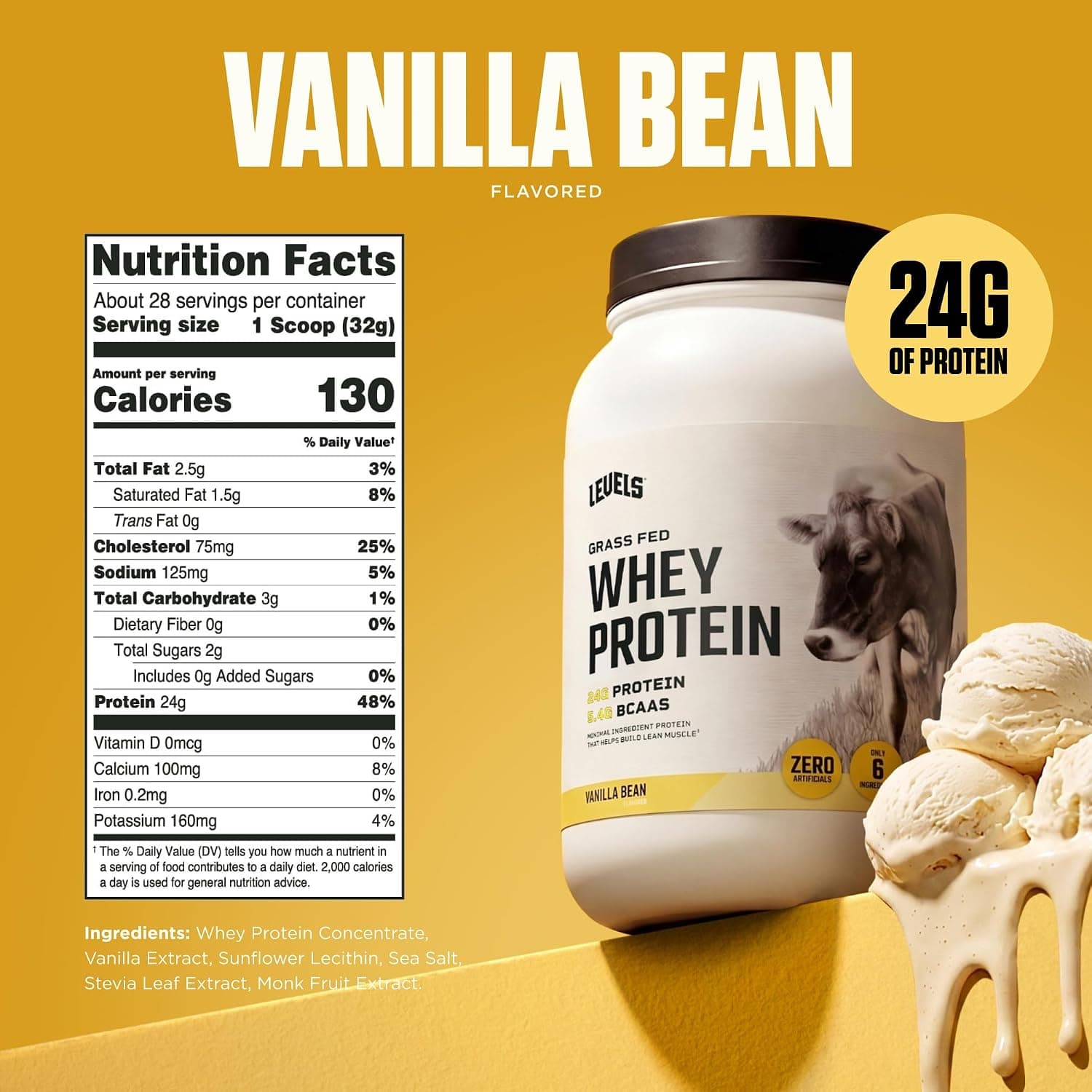
Levels has the rarest thing on the protein shelf: claims that are true and verifiable. Grass-fed concentrate, real Madagascar vanilla, a third-party purity award. The main image prints all of it at whisper volume. Below is the entire job that fixed it, in the order it happened, including the three moves we refused to make.


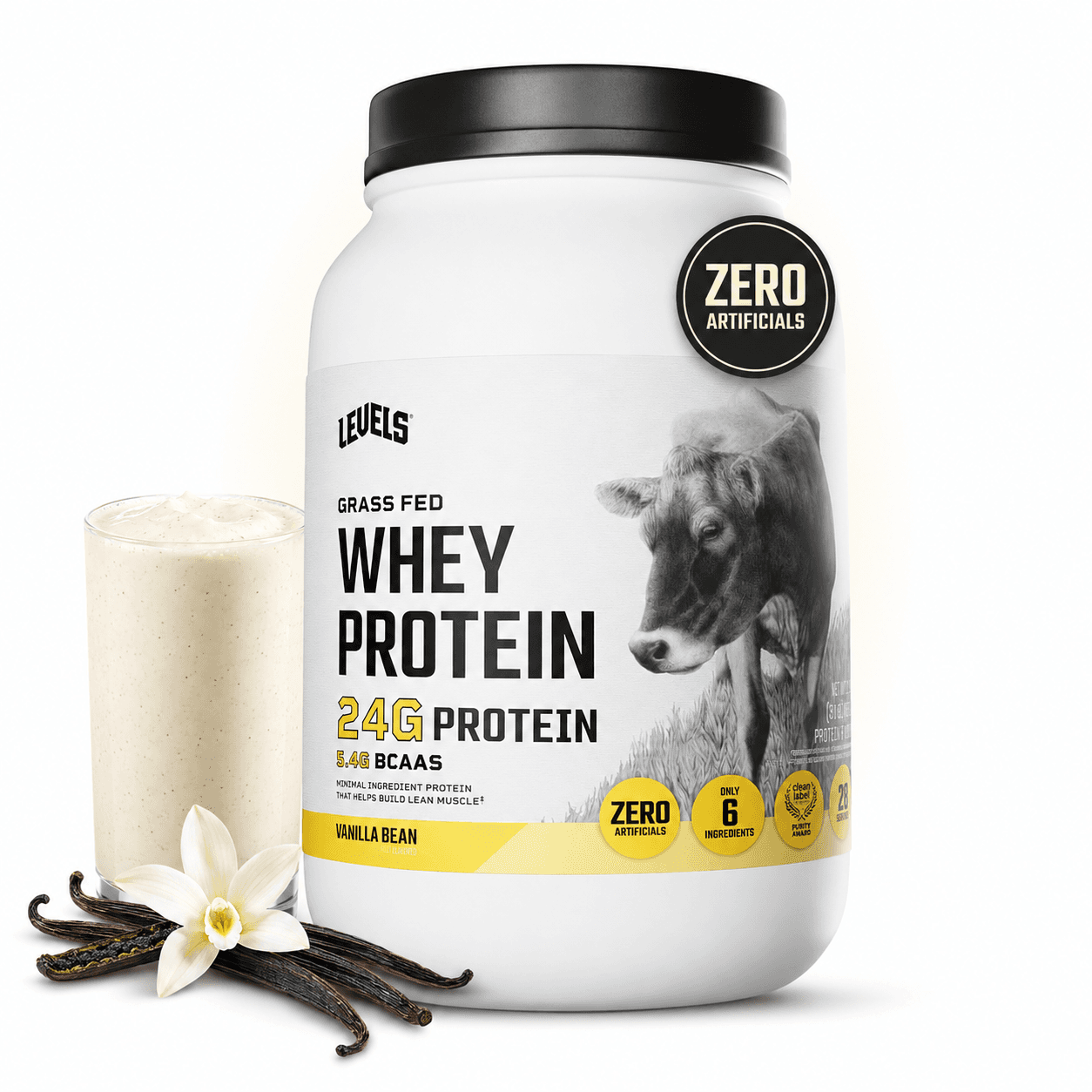
rebuiltLevels Grass Fed Whey Protein Powder, No Artificials, 24G of Protein, Vanilla Bean, 2LB
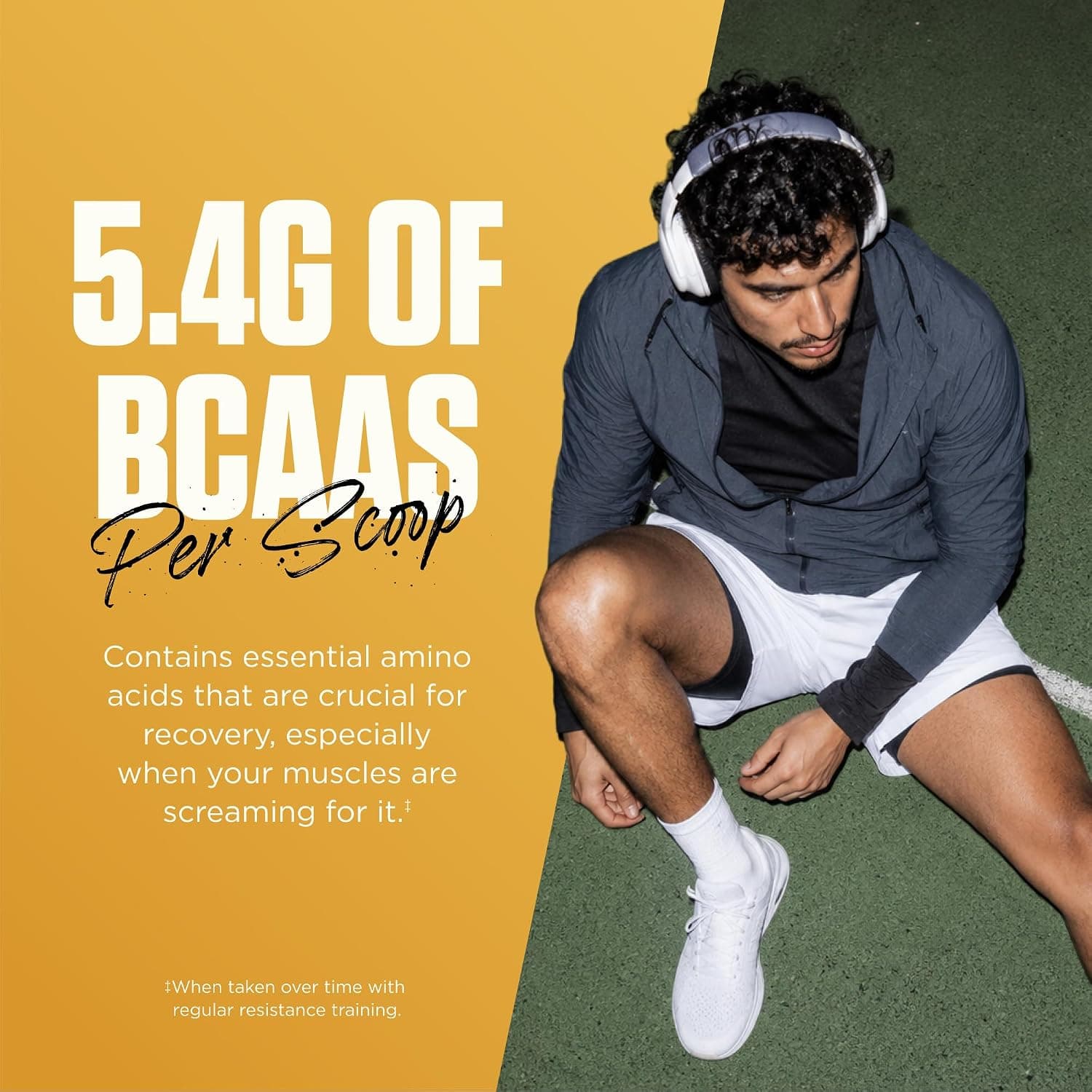
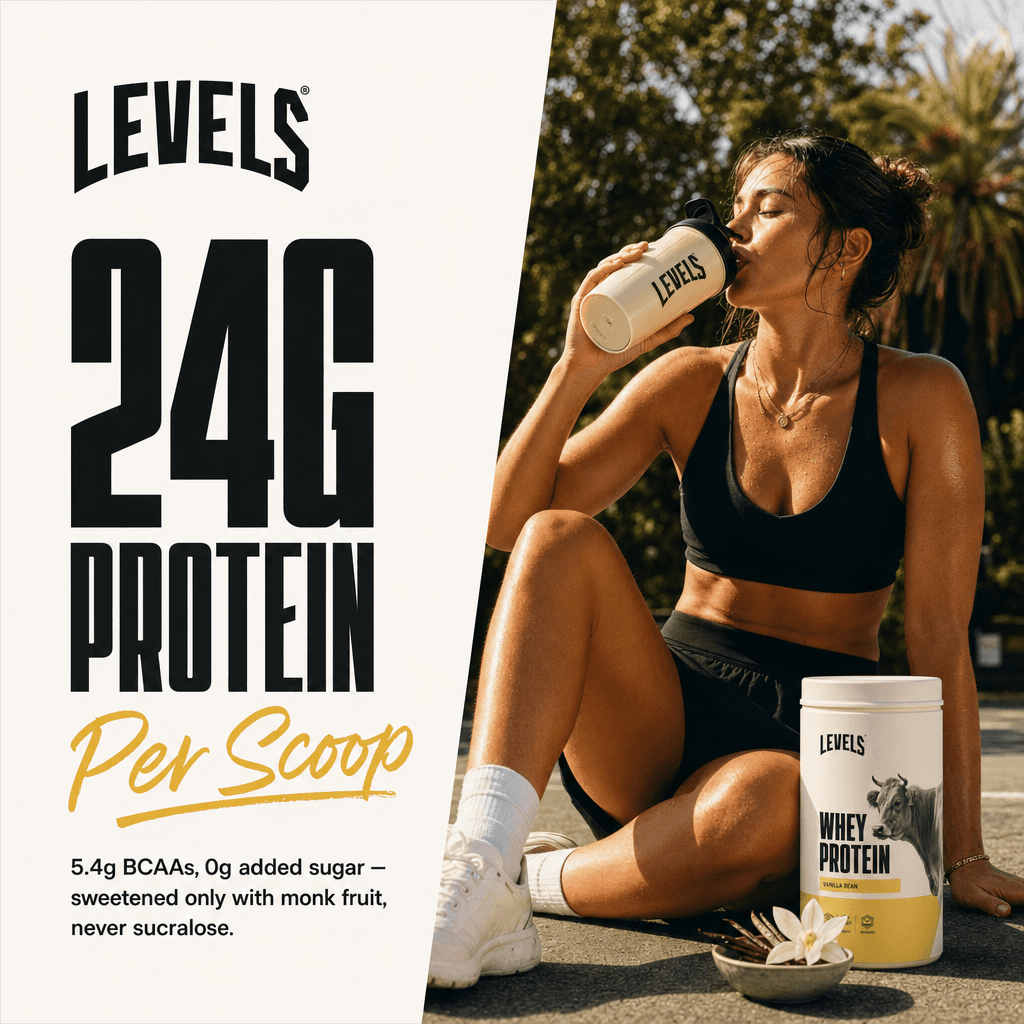
- ·24g protein and 5.4g BCAAs per scoop
- ·No added sugars, sweetened with monk fruit
- ·Grass-fed, undenatured, cold-processed
The intake: what the product is allowed to say
Before anyone looks at a shelf, the product gets a brief. Every claim, certification, ingredient and printed line goes into one list, and that list is a hard boundary. Nothing enters the rebuilt image that is not in it.
- Each scoop contains 24g protein, 5.4g BCAAs, and no added sugars.
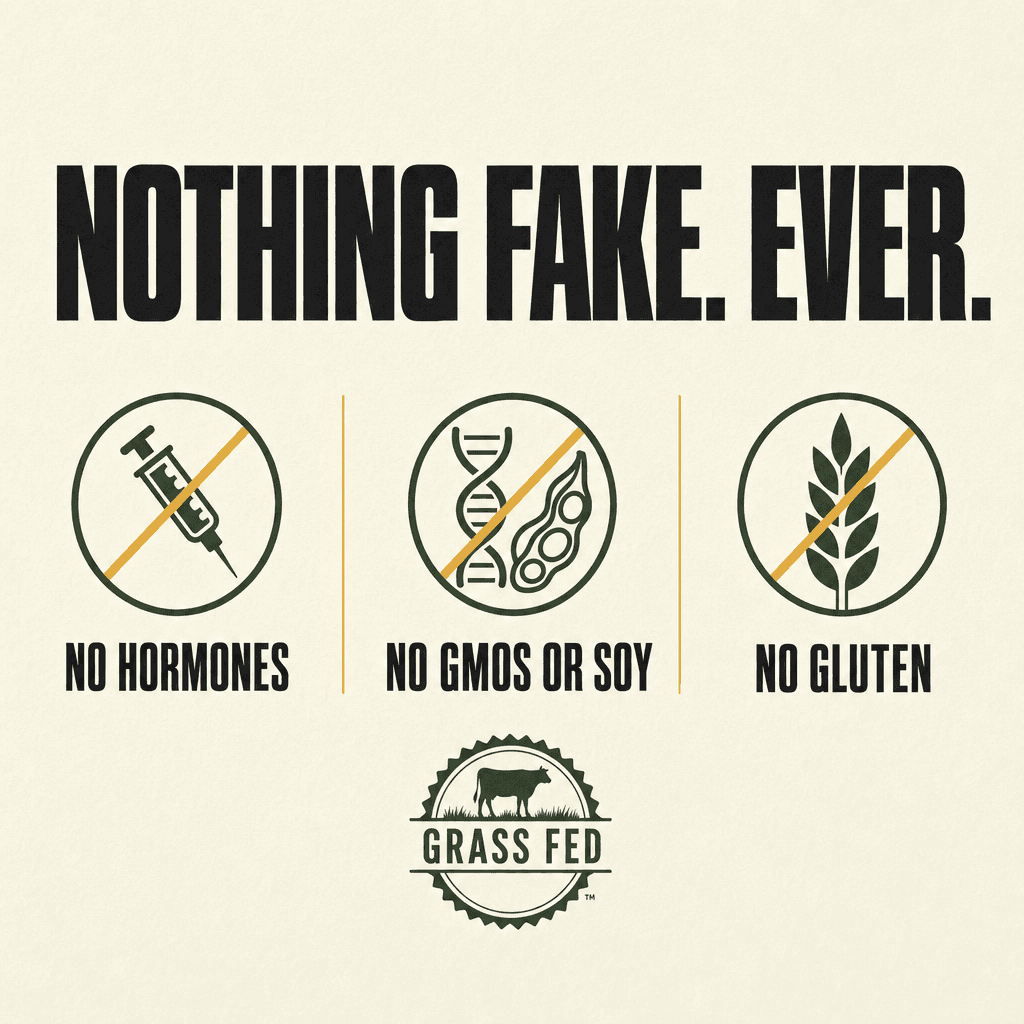
- NOTHING FAKE: no hormones, no GMOs, no added sugars, no soy, no gluten, no bleach, no fillers, no artificial flavors or sweeteners.
- Made with Madagascar vanilla extract, lightly sweetened with monk fruit extract.
- Grass-fed hormone-free dairy only; whey concentrate is the least processed form of whey.
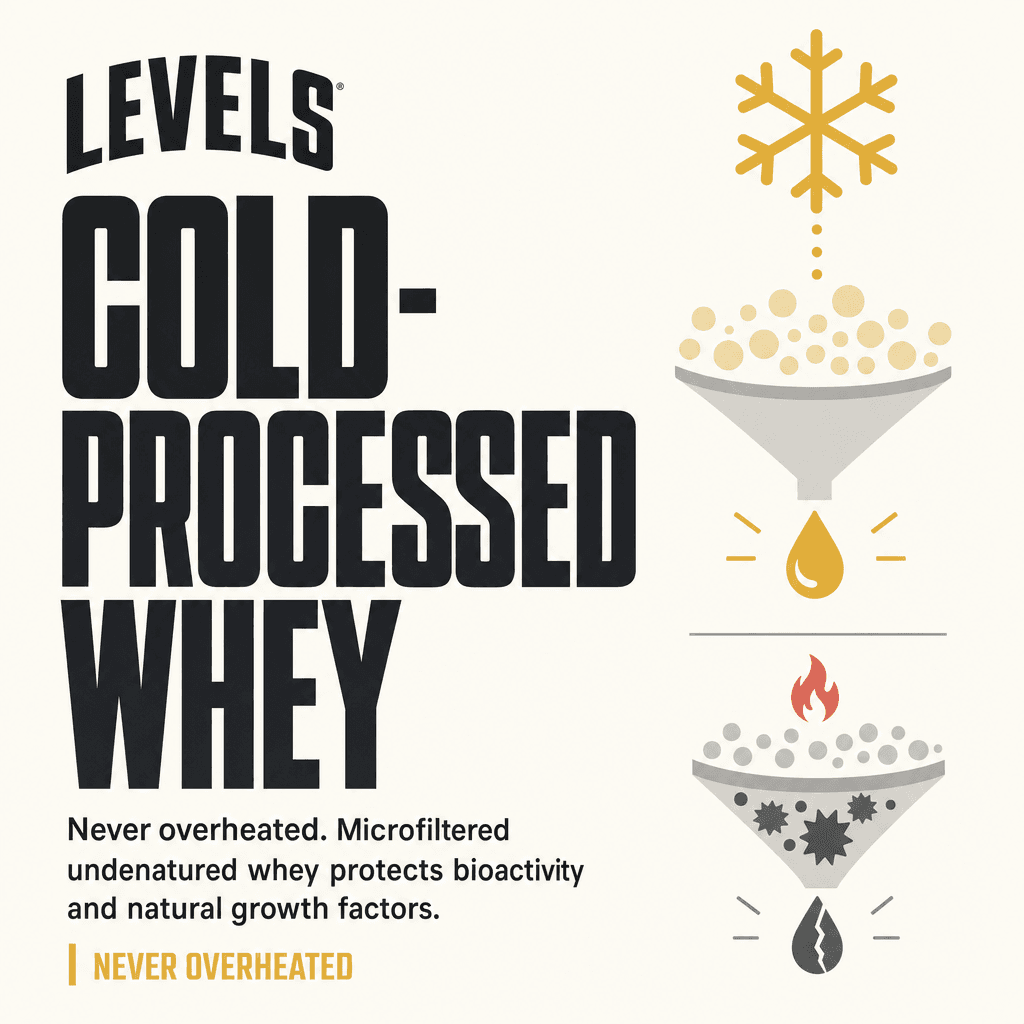
- Made in the USA, undenatured, cold-process microfiltered, blended with non-GMO sunflower lecithin.
Never claim what the product does not hold.
Every number, claim and certification in the rebuilt image has to trace back to the list on the left. Not to the shelf, not to a competitor, not to what would sell better. Stage 06 has a decision where this rule cost the image a good idea.
The brand kit: what it is allowed to look like
Stage 01 bounds what the rebuild may say. This is the same governor on the other axis. The kit is read off the brand's own pack and site, and it earns its keep everywhere there is no original to copy: the one added device, and every slide of a gallery that does not exist yet.
On the main image this matters less than it looks, because the pack itself is frozen and the label is reproduced pixel for pixel. A shopper who has bought this tub before will recognize the one in the rebuilt image, and stage 07 is where that gets proved rather than promised.
It matters enormously everywhere else. The added roundel and all six gallery slides are new artwork with no original to be faithful to, and that is precisely where a rebuild turns into a rebrand nobody asked for. Left to its own taste, a generator reaches for the category default: gold foil medallions, stock athletes, a palette the brand never chose.
We are hired to merchandise a brand, not to redesign one.
Nobody has measured what a shopper feels when the listing and the box that arrives look like two different companies, and we are not going to pretend otherwise. It is an operating rule here, not a finding: the kit is the boundary, and every asset in this case file was held inside it.
The shelf, taken apart image by image
67 winning listings on the protein powder shelf, captured June 10, 2026. Every main and every gallery slide decoded into a fixed schema, element by element. This is counting, not critique, and the separations below are the part that makes it counting.
{
"text": "WHEY PROTEIN",
"element_type": "product_name",
"printed_vs_composited": "printed",
"region": "center of label",
"placement_pct": { "x": 68, "y": 52, "w": 18, "h": 7 },
"relative_size": "hero",
"typography": "bold condensed sans, uppercase, two lines",
"is_hero": true
}The read: what the shelf has settled, and what it has left alone
One question per element: how many winners do it? High adoption is an assignment, because the shelf already ran that test. Low adoption is an opening. Absence is never a prohibition.
| element | winners | share | pile |
|---|---|---|---|
| Legible at thumbnail size | 67 / 67 | 100% | convention |
| Something printed at hero scale | 67 / 67 | 100% | convention |
| A numeric stat printed on the pack | 67 / 67 | 100% | convention |
| Photographed, not rendered | 61 / 67 | 91% | convention |
| Clean packshot, no staged scene | 49 / 67 | 73% | convention |
| Product fills 70% of the frame | median | 70% | convention |
| Certification or trust mark in frame | 39 / 67 | 58% | convention |
| A flavor or ingredient prop staged | 9 / 67 | 13% | white space |
| A person in frame | 3 / 67 | 4% | white space |
| A prepared drink in frame | 1 / 67 | 1% | white space |
Every winner on this shelf prints a number somewhere. Not one of them makes a number the thing you see first. The biggest element on a winning protein pack is the product name or the brand, and only 42% print their stat at hero or large size at all.
That is the opposite of what the category is assumed to do, and it means the rebuild's central move, heroing 24G, is not a convention match. It is a deliberate departure. Stage 06 is where it gets argued rather than assumed.
A read is only worth running if it is allowed to tell you that your instinct is the minority position.
The listing, scored by the same schema
Only now does the subject get looked at, and it gets the identical treatment: every element typed, sized, placed and graded, then diffed against the shelf. Taste never enters it.

- The flavor-band sub-line beneath VANILLA BEAN. White type on pale yellow, visible as a shape at 16x, no glyph separable.
- The word PROJECT inside the purity seal, and the mark that follows it: registered, trademark or none.
- The second line of the servings seal. Only 'SE' sits on the visible face; the rest wraps around the jar.
- The net weight figure, and the characters after (32 OZ). Both off the visible face.
- Both fine-print legal footer lines over the cow photograph.
these regions are reproduced as pixels and never re-typeset · a rebuild that invents the fine print it could not read has invented a claim
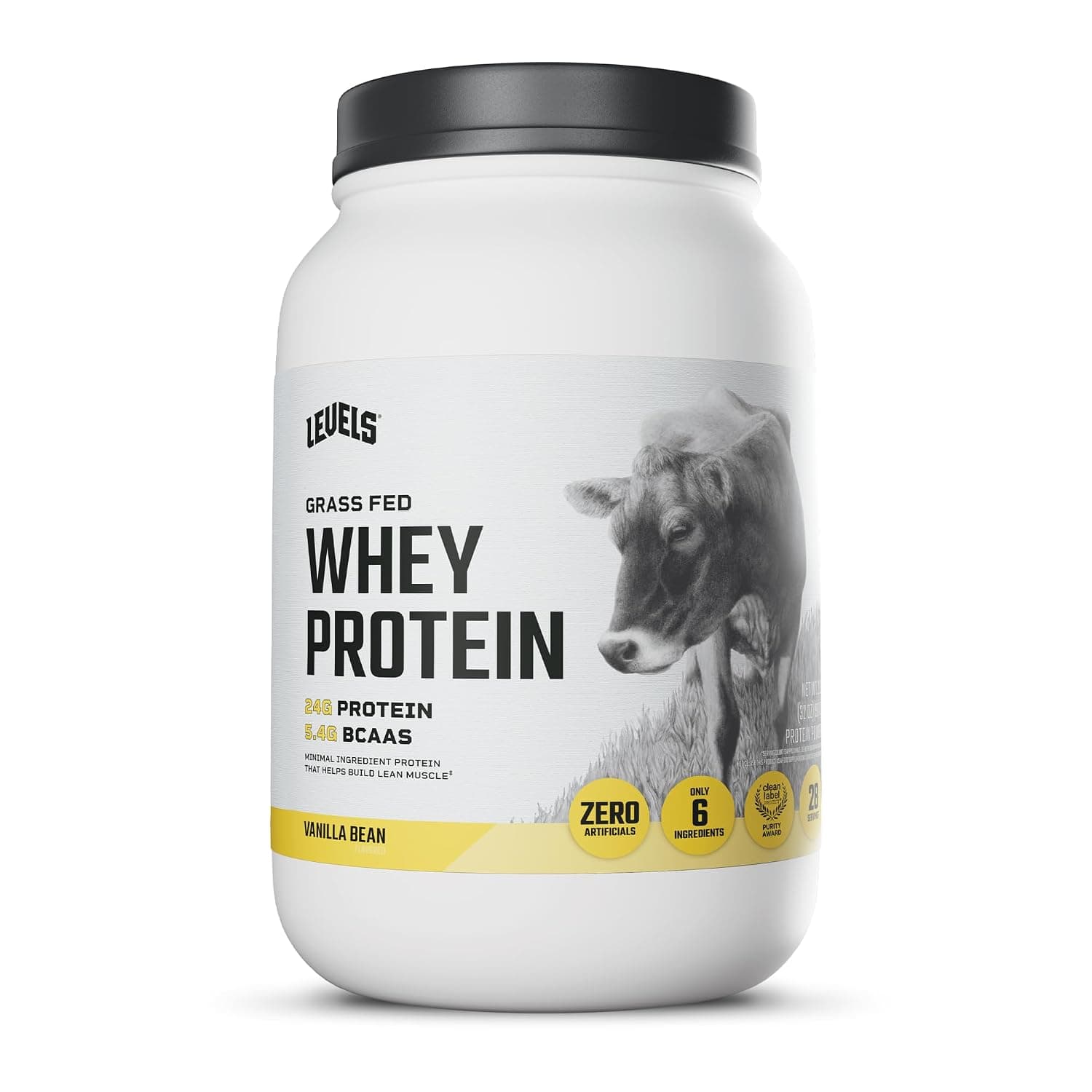
The listing is not broken. It is quiet. Its stats are printed at medium while its product name is printed at hero, its four seals are the size of a fingernail, and the fourth one slides off the curve of the jar.
The decision log
Nine decisions, each one recorded the same way: the shelf fact, where this product stands against it, what was chosen, and why. Three of them are refusals, which is the part a portfolio never shows you.
Exactly one added device: a charcoal ZERO ARTIFICIALS roundel
No added badges for Grass Fed, Non-GMO or Made in USA
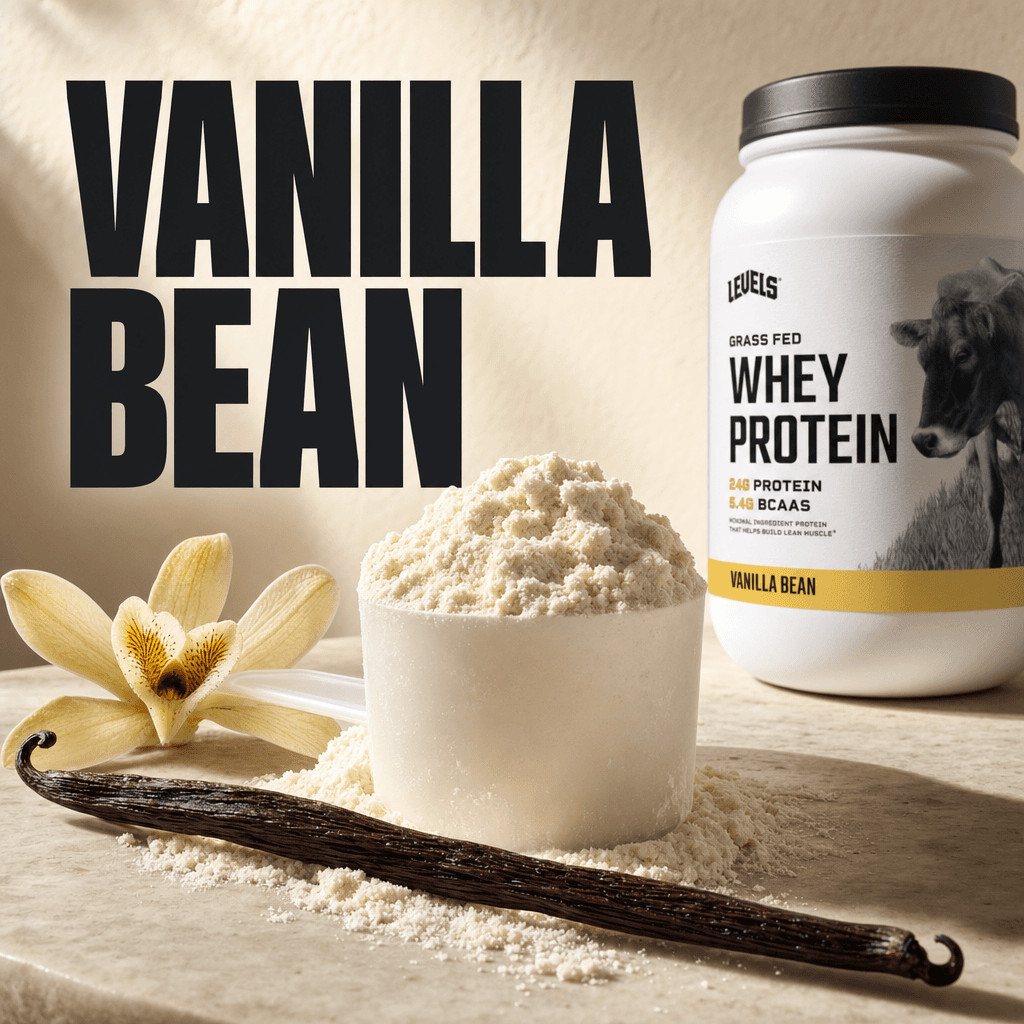
Stage the flavor world: vanilla pods, one orchid bloom, one full glass of the prepared shake
Liquid splash: dropped, logged as an A/B candidate
deferred to the test pileServings count: refused until it could be sourced
deferred to the test pileNo variant or flavor-range row
deferred to the test pileHold the clean format, and freeze the product
A legibility budget: two added claims, both large, nothing else
Decision 06 is the one worth reading twice. A servings count would have been a free lever on a 2LB tub, the shelf's second most common stat, and it stayed off the image until someone could point at where the number came from.
The render, and the four gates it has to clear
The decisions become a written spec, the spec becomes an image, and the image gets reviewed against the real product before anyone sees it. Failing any one gate sends it back regardless of how good it looks.
LABEL FIDELITY (HIGHEST PRIORITY): treat the product's printed label in the attached photo as FIXED PIXELS to be reproduced exactly, not text to be re-typeset. Keep EVERY existing label element in its exact position, size and proportion, including any emblem, medallion, seal, certification icon, divider rule and fine print. REGIONS THAT WERE NOT LEGIBLE in the reference: reproduce those pixels as they appear and invent no text for them. CLAIMS GOVERNOR: render only text, numbers and claims that are printed on the real package or listed in the overlays above. Invent nothing.
Attempt 1The roundel prints NO ARTIFICIAL SWEETENERS. The spec permits one string, ZERO ARTIFICIALS, and a reworded claim fails even when it is true.
Attempt 2Wording correct. But 24G and PROTEIN break onto separate lines, and the roundel is sized to compete with the hero rather than support it.
Attempt 3 · carried forward24G PROTEIN reads as one line at hero scale, the roundel sits clearly secondary, and the props stay grouped on one side of the frame.

The image is generated, and the interesting question is not whether that is allowed. It is what stops a generator from quietly improving the label: turning a registered mark into a TM, dropping a seal it thought was clutter, inventing the fine print it could not read.
The answer is that the label is treated as pixels rather than text, the unreadable regions are named in the spec as off-limits, and the result is compared band by band against the real photograph. That is not theory. The first attempt above rewrote a claim into words the product had not been given, which is precisely why it stayed an attempt.
Anyone can make a prettier picture of a protein tub. The work is making one the brand could legally print.
The verdict, at the size it gets made
Both images have been on this page at full size, which is the one size no shopper will ever see them at. Here is the rebuilt main back in the row it has to win, against the real page one it was read from.
At this size the current tub is a white jar with a cow on it. The rebuild reads as 24 grams, grass fed, vanilla, and nothing fake. The proof finally carries.

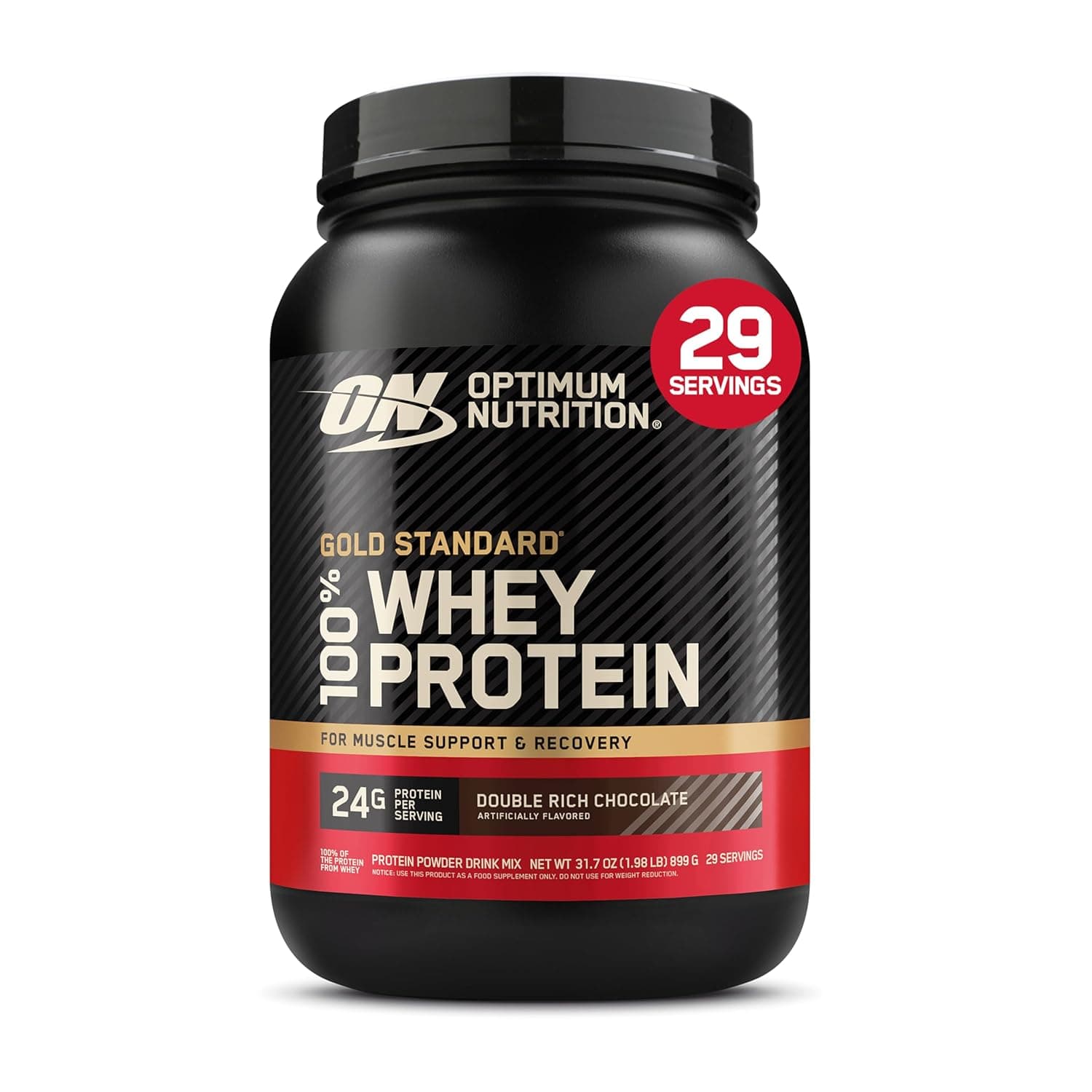
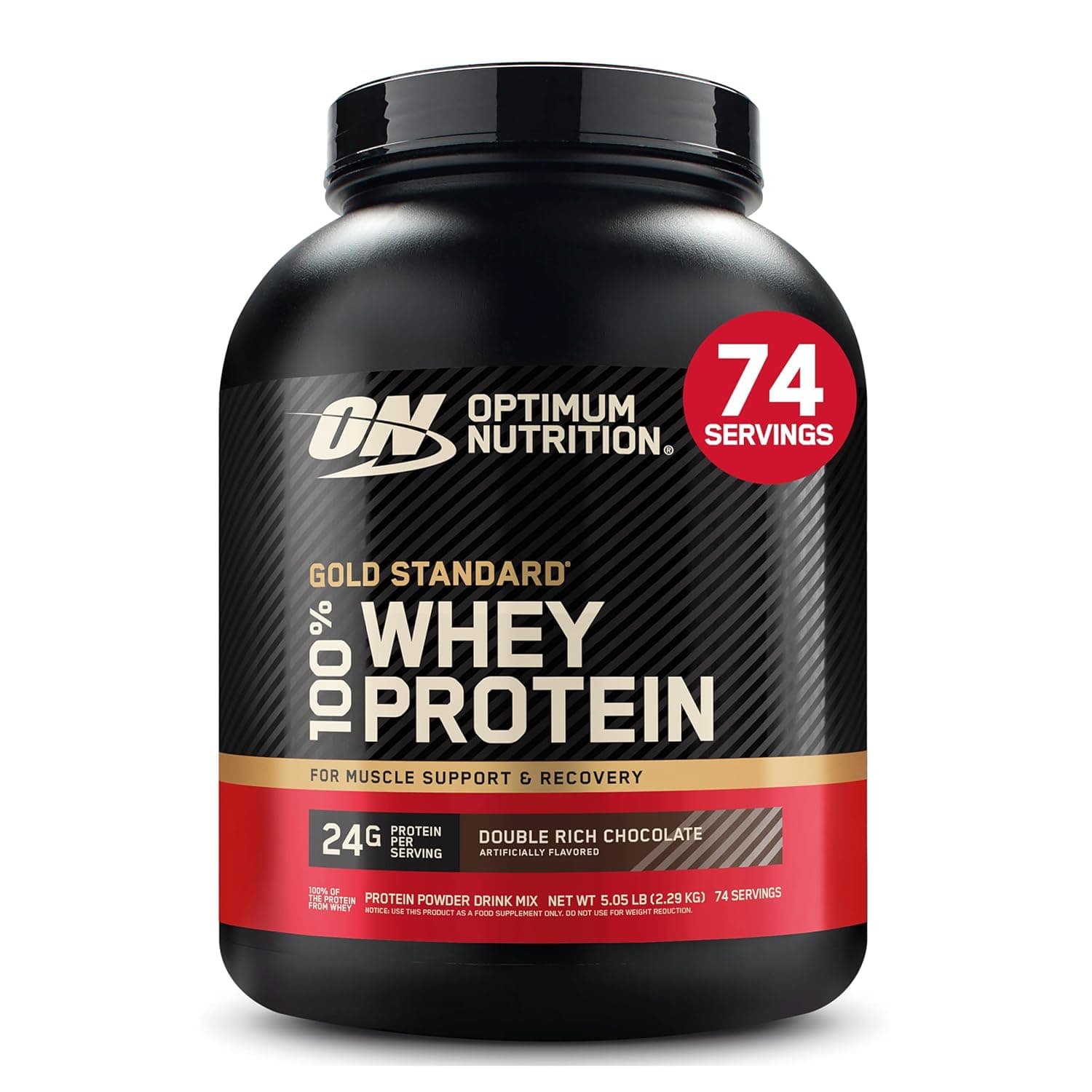
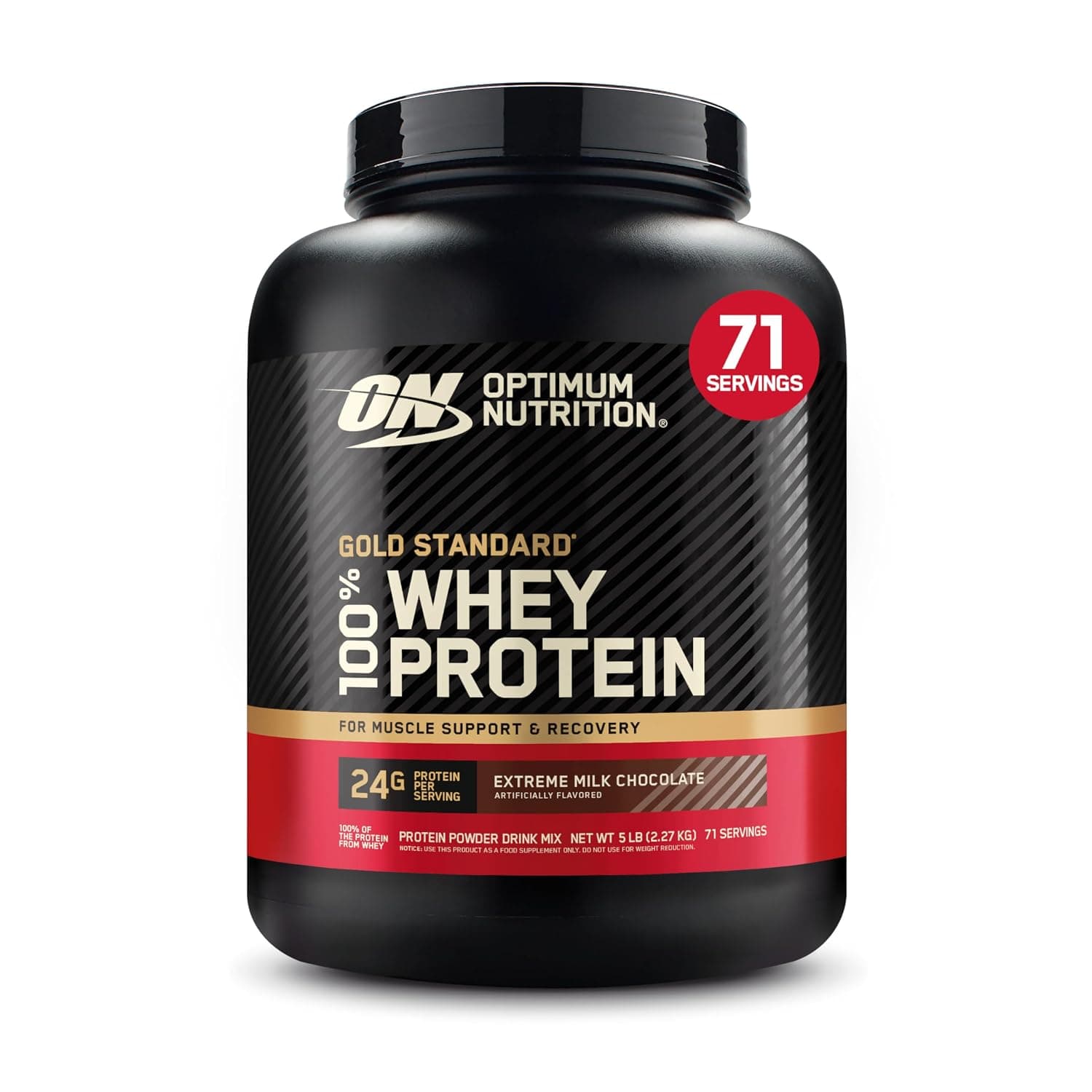
Optimum Nutrition Gold Standard 100% Whey Protein Powder, …

Optimum Nutrition Gold Standard 100% Whey Protein Powder, …

Optimum Nutrition Gold Standard 100% Whey Protein Powder, …

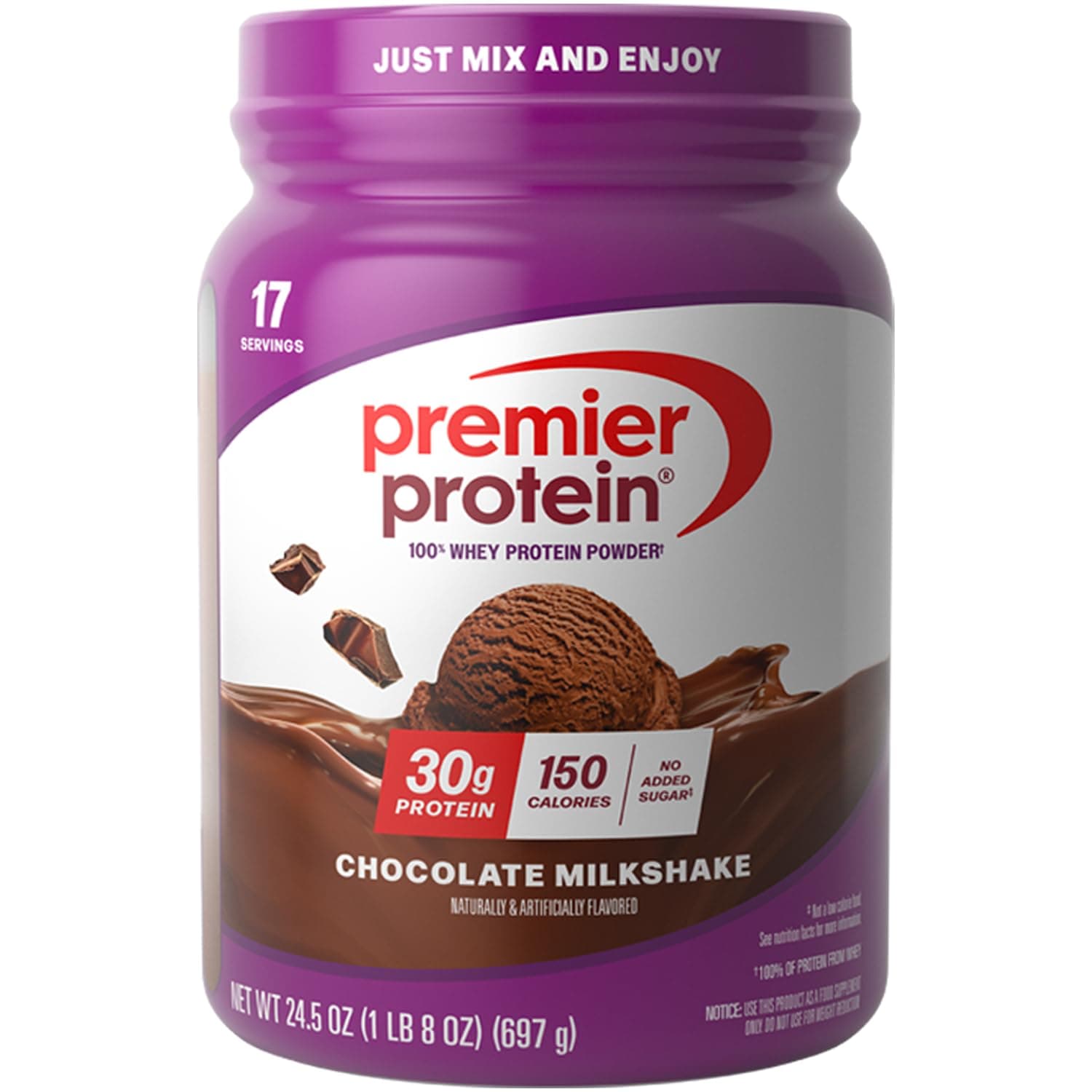
Premier Protein Powder, Chocolate Milkshake, 30g Protein, …

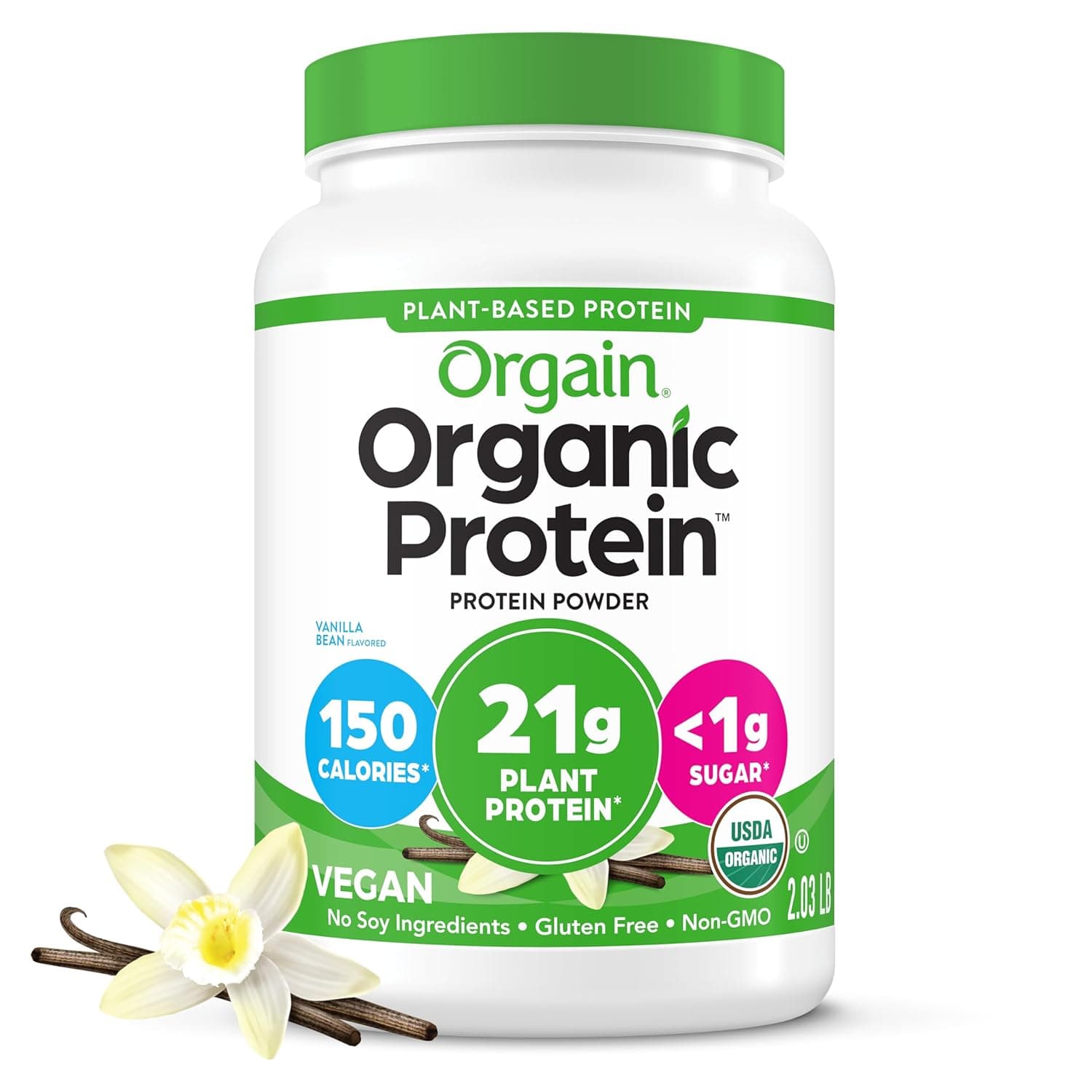
Orgain Organic Vegan Protein Powder, Vanilla Bean - 21g Pl…

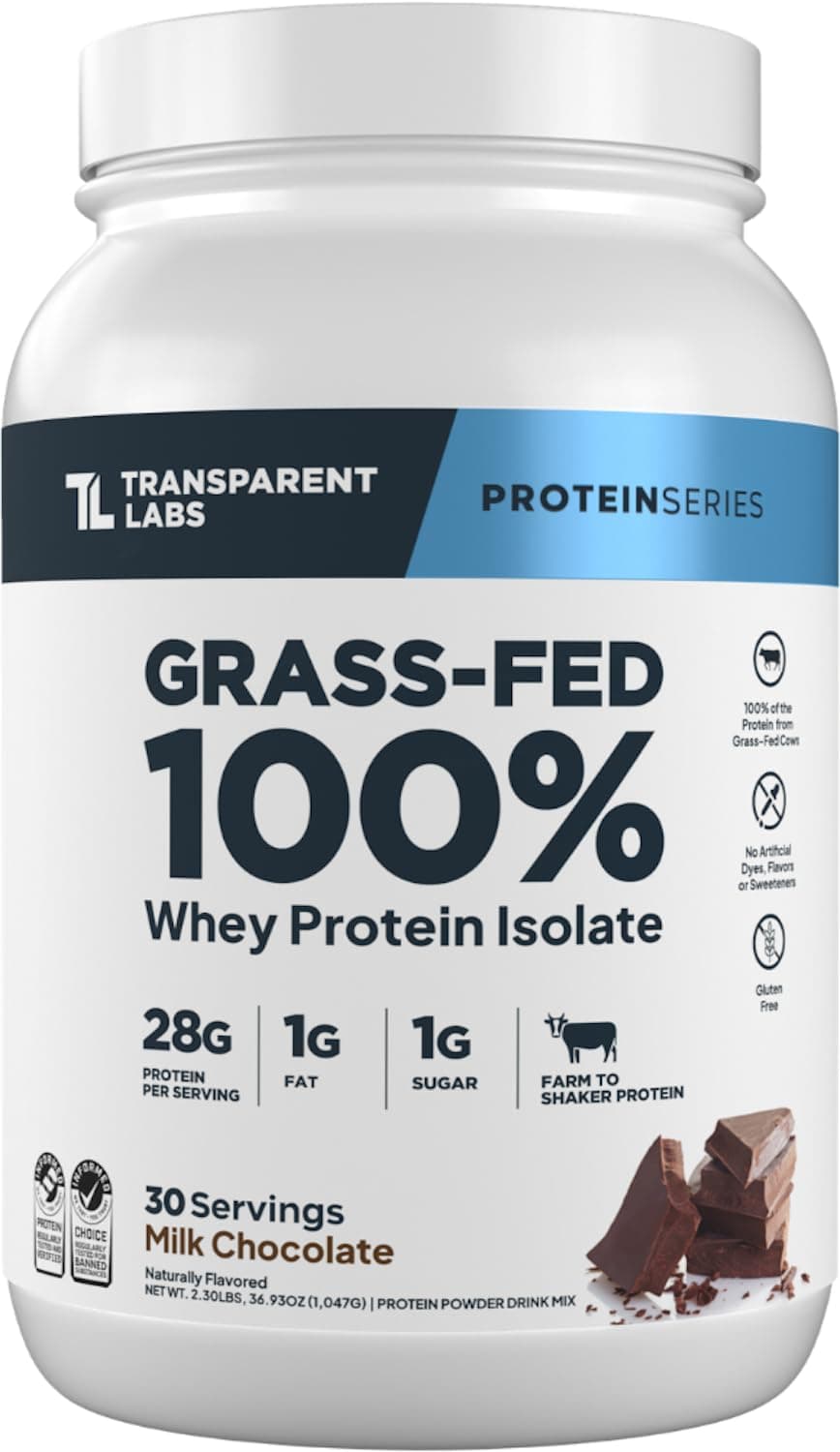
Transparent Labs Grass-Fed Whey Protein Isolate - Naturall…

Levels Grass Fed Whey Protein Powder, No Artificials, 24G …

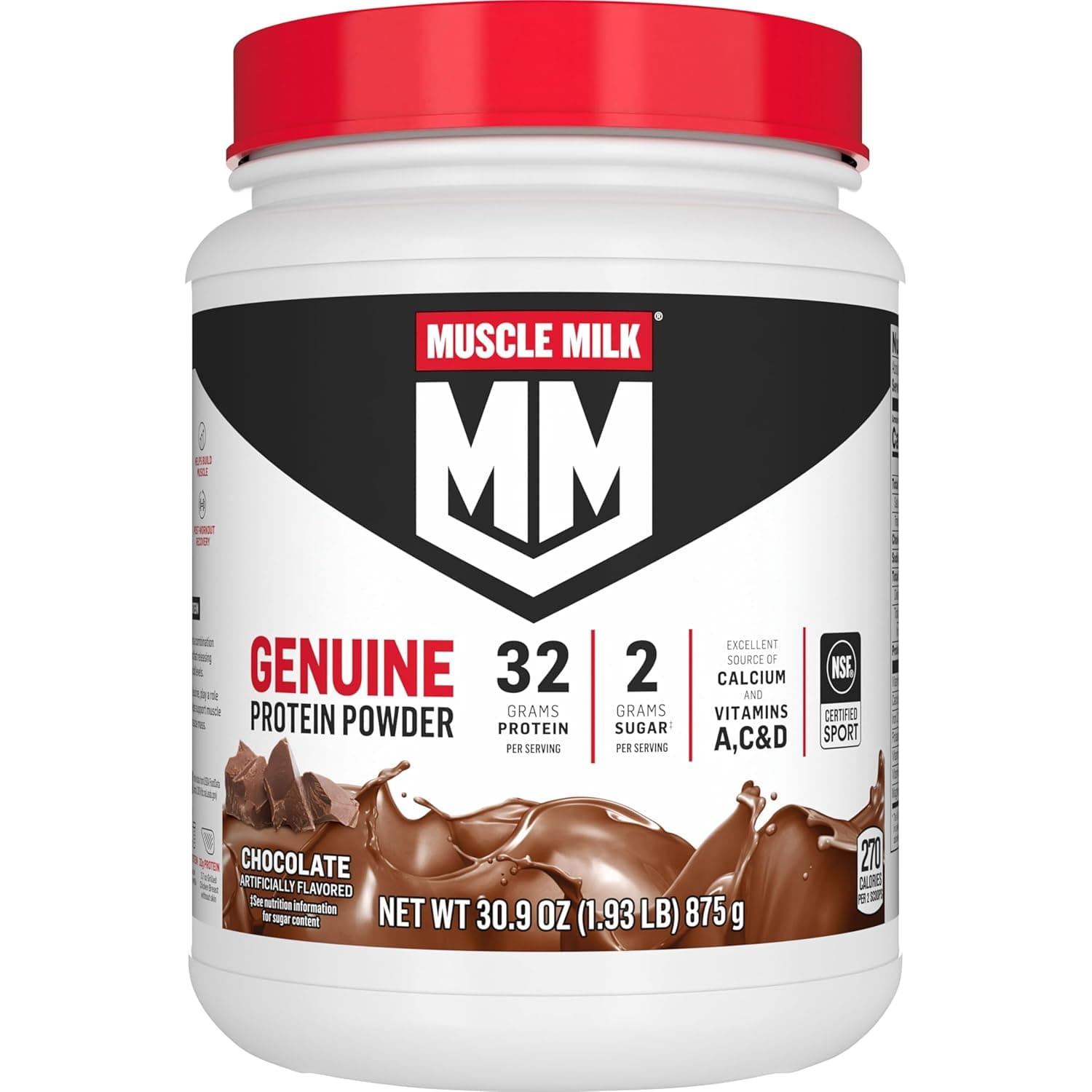
Muscle Milk Genuine Protein Powder, Chocolate, 1.93 Pounds…
the main
the stat hook
the proof
the crave
the process
the routine
the closeLevels Grass Fed Whey Protein Powder, No Artificials, 24G of Protein, Vanilla Bean
every slide above is the rebuilt sequence, labeled by its job
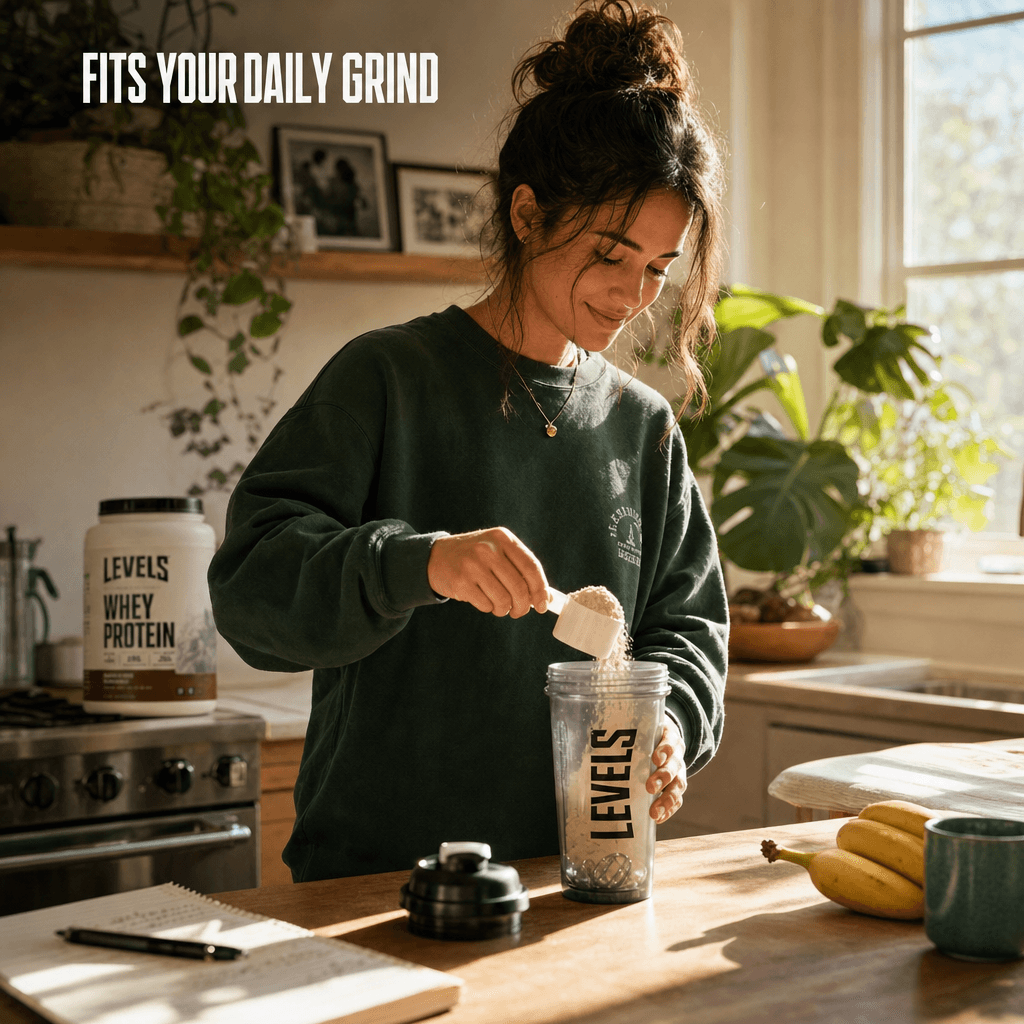
Nothing was added that the pack does not already own. The same four seals, the same cow, the same flavor band, the same 24G figure. All that changed is which of them the shopper can see before they decide.
The gallery, read the same way
The main image wins the click. The gallery wins the sale, and it gets the identical treatment: the shelf's own composition counted first, then this listing's eight slides scored against it, then a rebuilt sequence where every slide has one job.
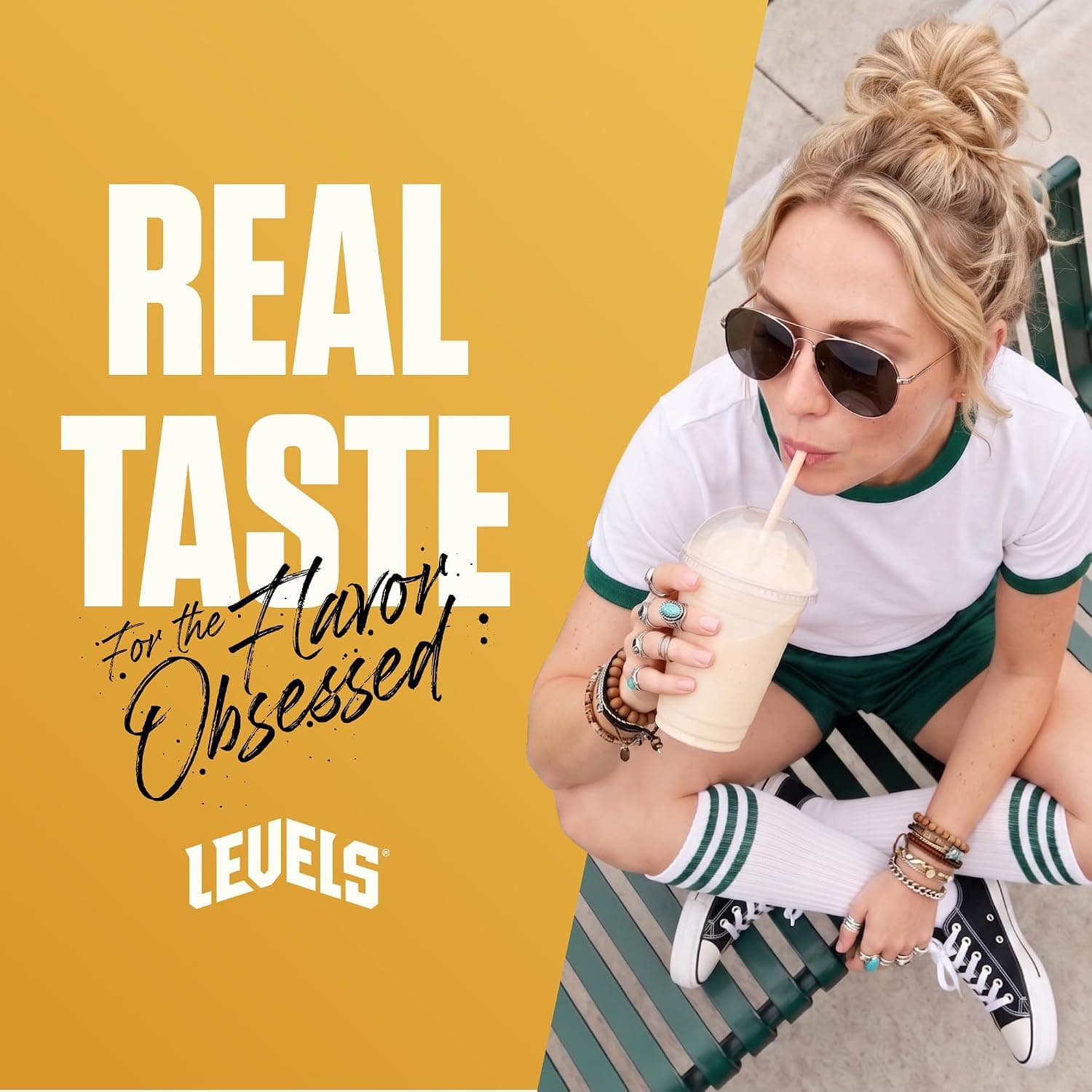
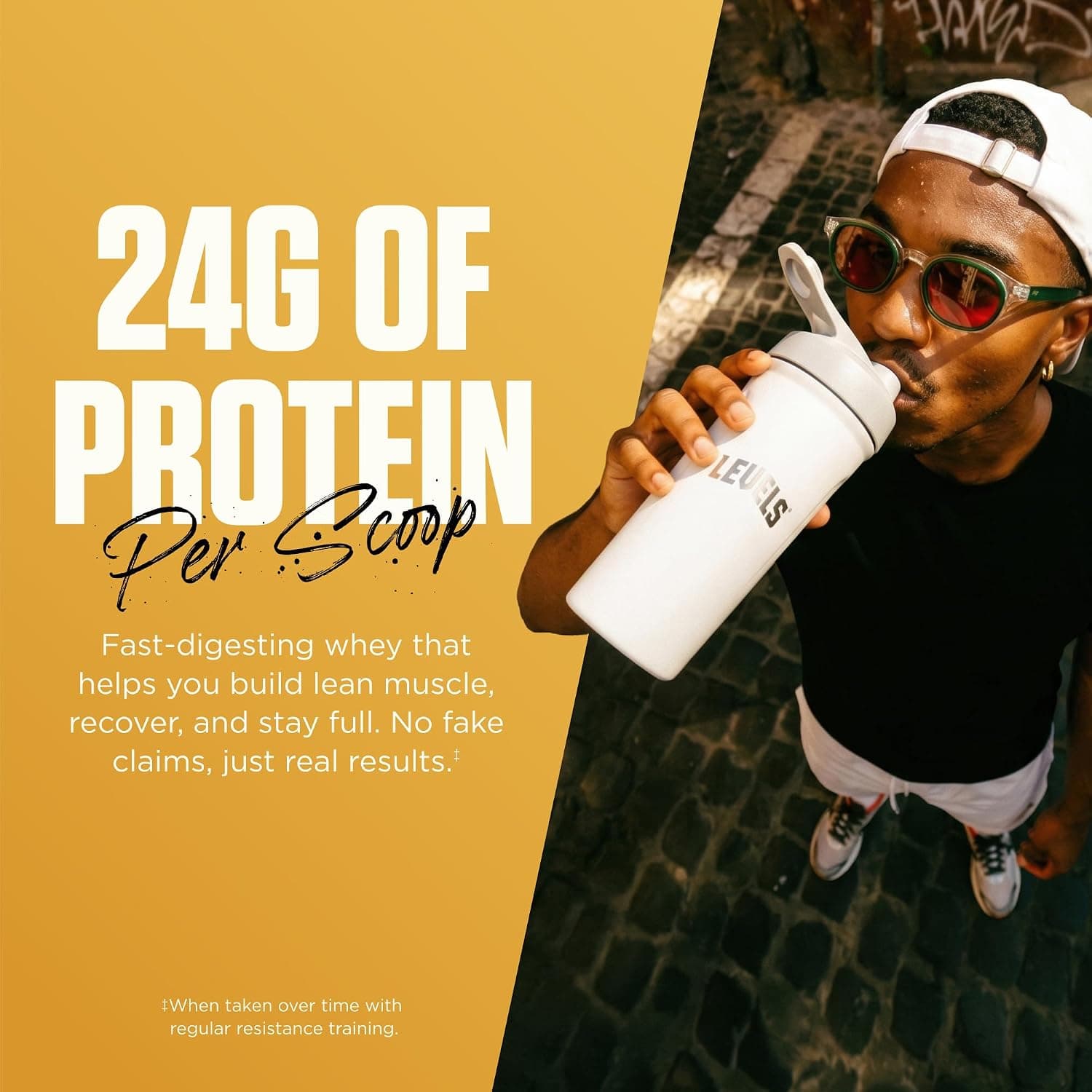
This is where the read refuses to give an easy answer. Levels runs eight slides against a shelf median of seven, and its mix is close to the shelf's: three lifestyle, three infographic, one facts panel, one packshot. By composition, the gallery is doing its job.
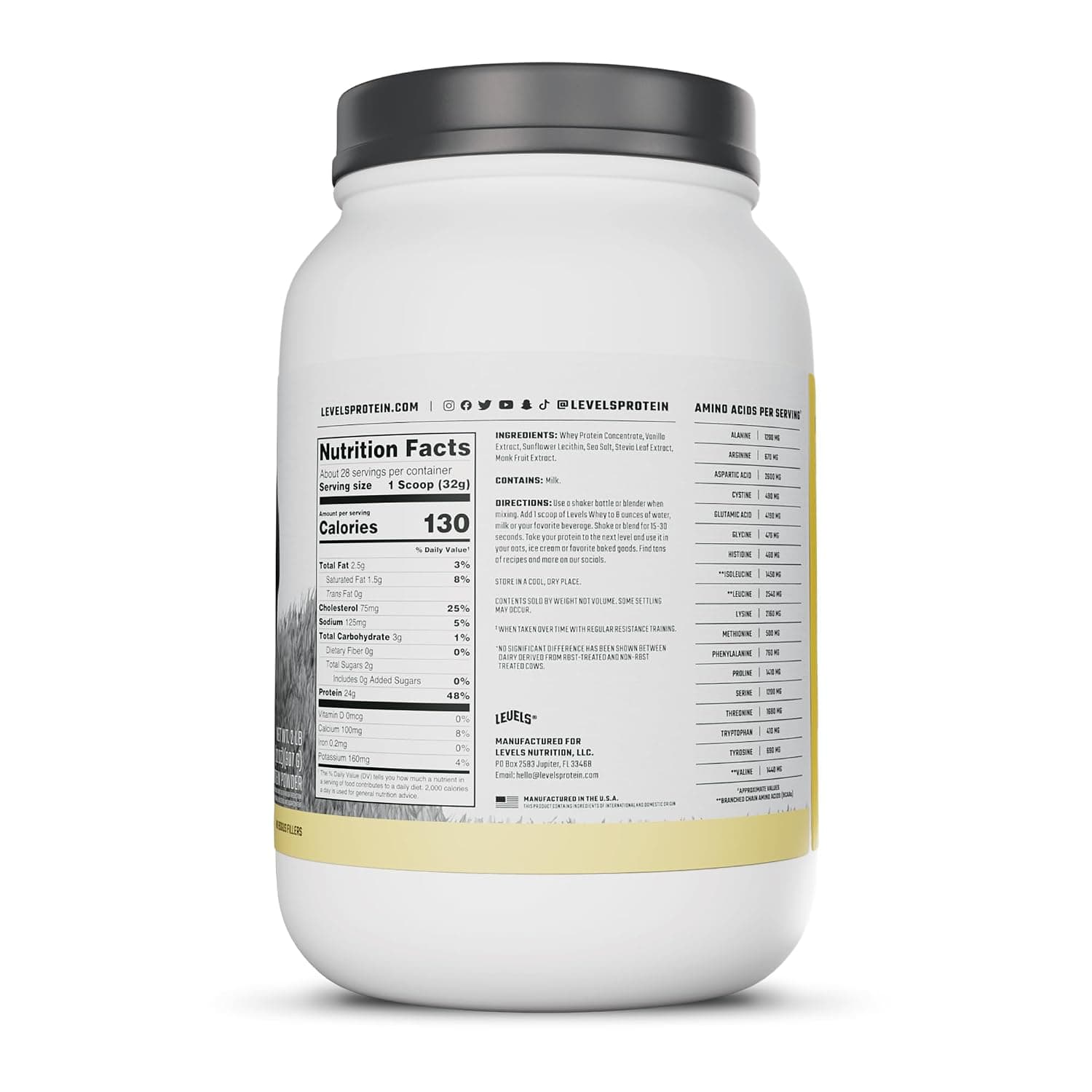
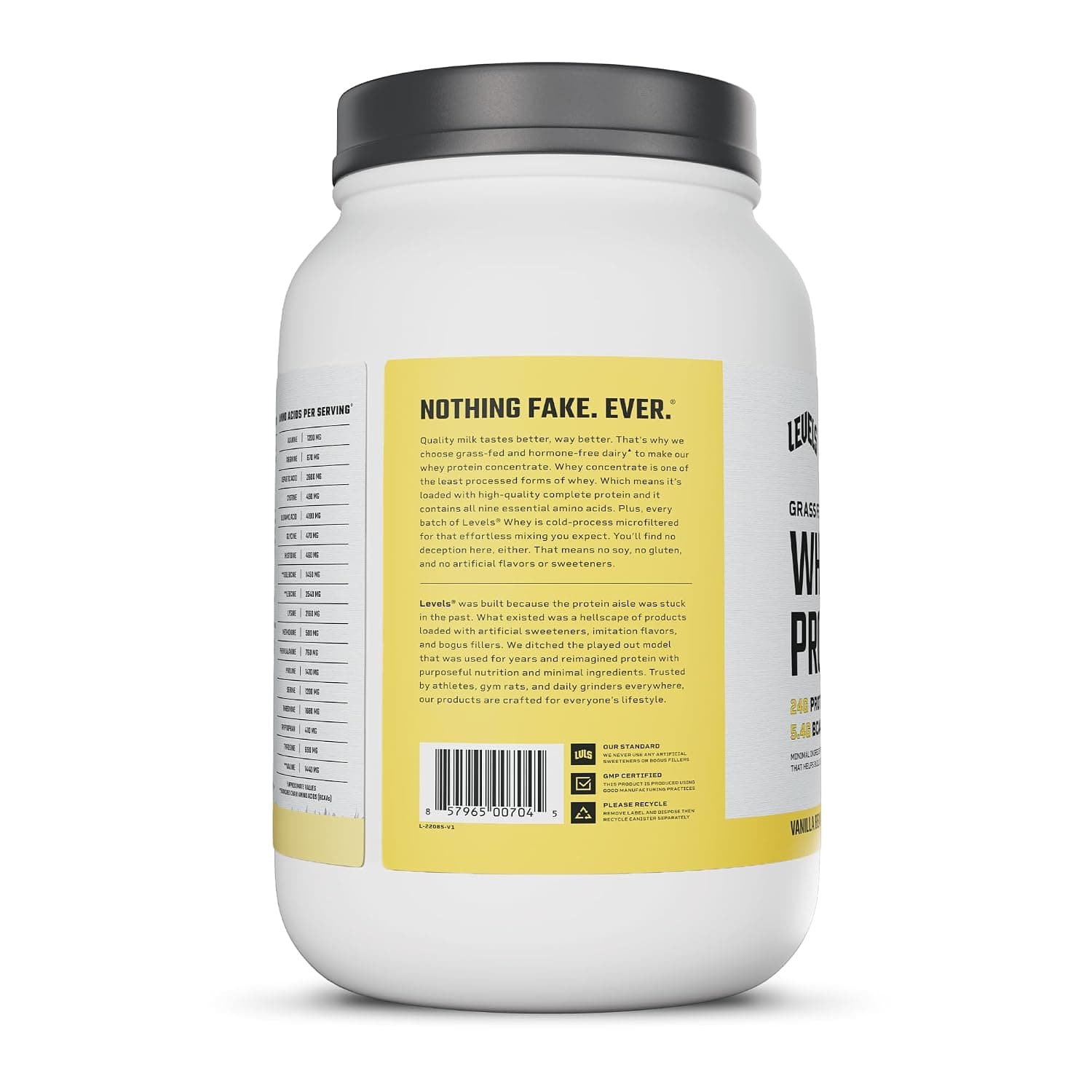
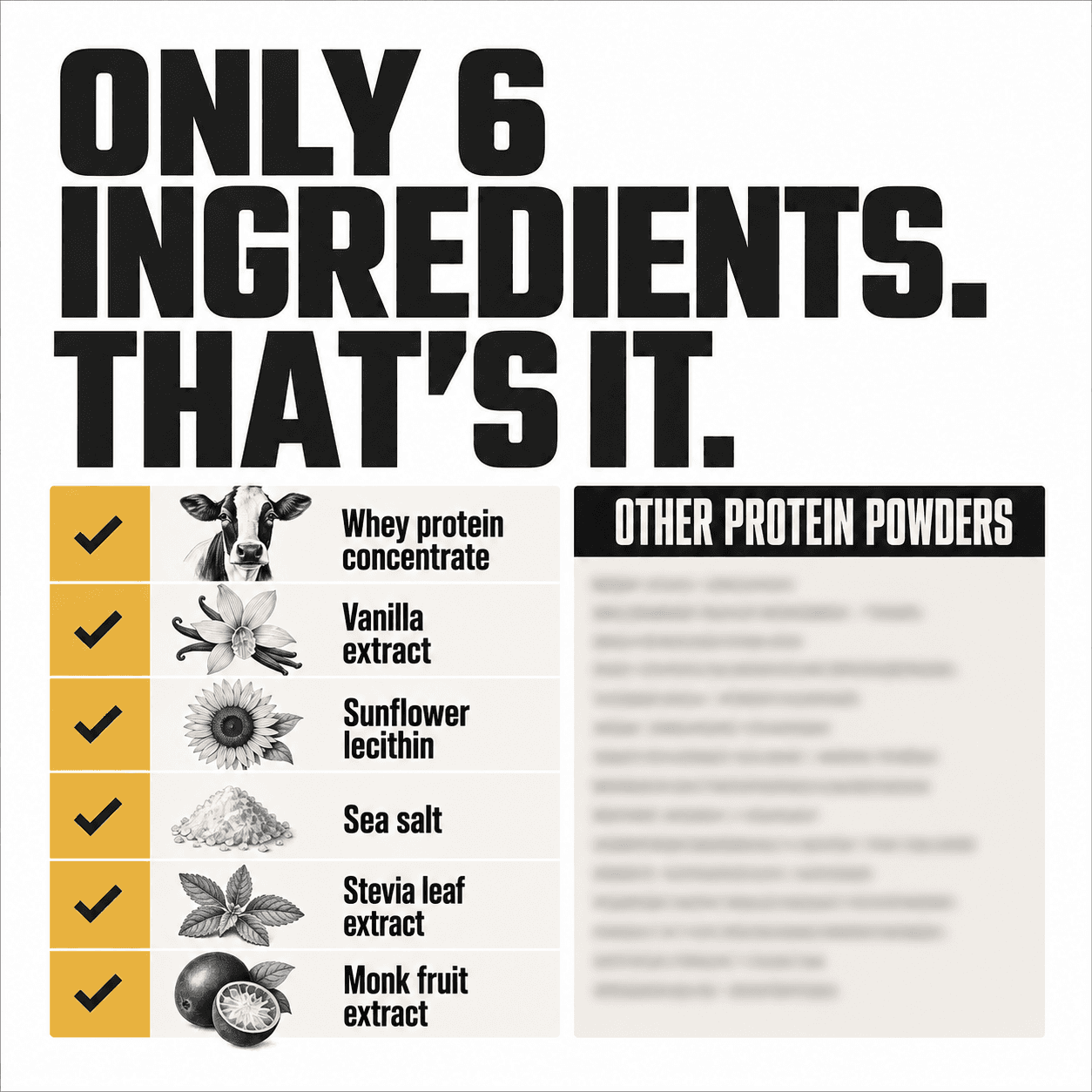
The defect is placement. Three of the eight fail the same thumbnail legibility test the main image is held to, and the brand's hardest evidence sits on two of the three: the six-item ingredient panel appears at slide 2 and again at slide 7, and neither one reads. The proof is in the gallery twice, and unreadable both times.


Every slide is planned before it is made: an archetype from the shelf's own mix, the one value proposition it carries, the exact text it may print, and a review afterwards against the same rules the main image answers to.
1 · the stat hook
2 · the proof
3 · the crave
4 · the process
5 · the routine
6 · the closeWhat the rebuild does not do
The constraints are the product. Anything that loosens them makes a better picture and a worse deliverable.
- It does not invent a claim. 24G and 5.4G BCAAs are the label's own numbers, the four seals exist on the current pack, the vanilla is the named flavor, and every ingredient named is read off the panel the brand prints.
- It does not repaint the label. Every emblem, seal, footnote key and column of fine print is reproduced from the reference, and the regions that could not be read are reproduced as pixels rather than re-typeset.
- It does not add a number the brief does not carry. The servings count was refused for exactly this reason.
- It does not claim measured lift. Every percentage on this page describes what winners on this shelf run, not what caused them to win.
A full shelf audit runs this same read on your listing and hands you a prioritized fix stack, not a checklist.
Request an audit →one shelf · one report · turnaround in 5 days